
Herniated Disc Chiropractor in Marietta, GA
That Disc Didn't "Slip" Overnight — and Surgery Isn't Your Only Option.
If a herniated or bulging disc is sending pain into your back, leg, or arm, here's what's really happening — and how corrective chiropractic care in Marietta can help.
"The MRI said herniated disc. The doctor said rest and wait. I've been waiting for months."
If that sounds like you, you're not alone. A herniated disc can turn bending to tie your shoes, sitting through a commute on I-75, or picking up your kids into something you have to brace yourself for. Some people feel a deep ache in the back. Others feel burning, numbness, or a shooting pain down the leg or arm.
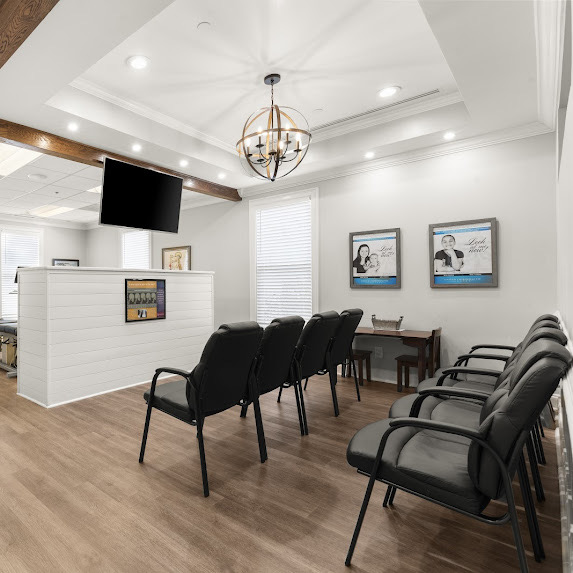
At United Chiropractic Center, we see people from Marietta, East Cobb, Smyrna, and Kennesaw who were told to "wait and see." Waiting can be reasonable for some disc injuries — but you deserve to understand why the disc is under so much pressure in the first place.
Quick Answer
Yes, a chiropractor can help many people with a herniated or bulging disc. Corrective chiropractic care focuses on restoring healthy spinal alignment and motion so there's less mechanical stress on the injured disc and the nerve beside it. Severe cases — especially with loss of bladder or bowel control or worsening leg weakness — need emergency medical care first.


What's Really Causing Your Herniated Disc Pain in Marietta
Your spinal discs are tough, gel-filled cushions between your vertebrae. When the outer layer weakens, the inner material can bulge or push out and irritate a nearby nerve. That's why a disc problem in your low back can show up as sciatica — and a disc problem in your neck can show up as arm pain or a pinched nerve.
Discs rarely fail from one bad lift. Usually, the spine has been carrying uneven load for months or years. Here are the most common contributors we find:
Spinal misalignment
When vertebrae shift out of position, one side of the disc gets compressed more than the other. Over time, that uneven pressure wears the disc down.
Long hours of sitting
Sitting loads the lumbar discs more than standing. Desk work, long drives, and screen time add up.
Repetitive bending and lifting
Jobs and workouts that combine bending with twisting put the disc's outer fibers under repeated strain.
Old injuries
A fall, sports injury, or car accident can change how your spine moves long after the bruises heal.
Natural disc changes
Discs lose water with age, which is why degenerative disc disease and herniations often go together.
"Most herniated disc patients I see were told it's just wear and tear. But when we look at their X-rays, we usually find the spine above and below that disc isn't moving the way it should. Get that segment moving and aligned again, and the disc finally has a chance to calm down."— Dr. Steve Landry, DC · United Chiropractic Center · Marietta, GA
Why Herniated Disc Treatments Often Fall Short in Marietta
Pain medication, injections, and rest can all have a place. They can take the edge off while the body heals. But none of them change the alignment that put the disc under pressure.
Think of it like a car with bad alignment. You can replace the tire that wore out, but if the alignment is still off, the new tire wears the same way. Your disc works the same way.
The goal isn't just less pain this week. It's a spine that distributes weight evenly, so the disc isn't constantly re-irritated by everyday movement.
How Corrective Chiropractic Care Helps a Herniated Disc
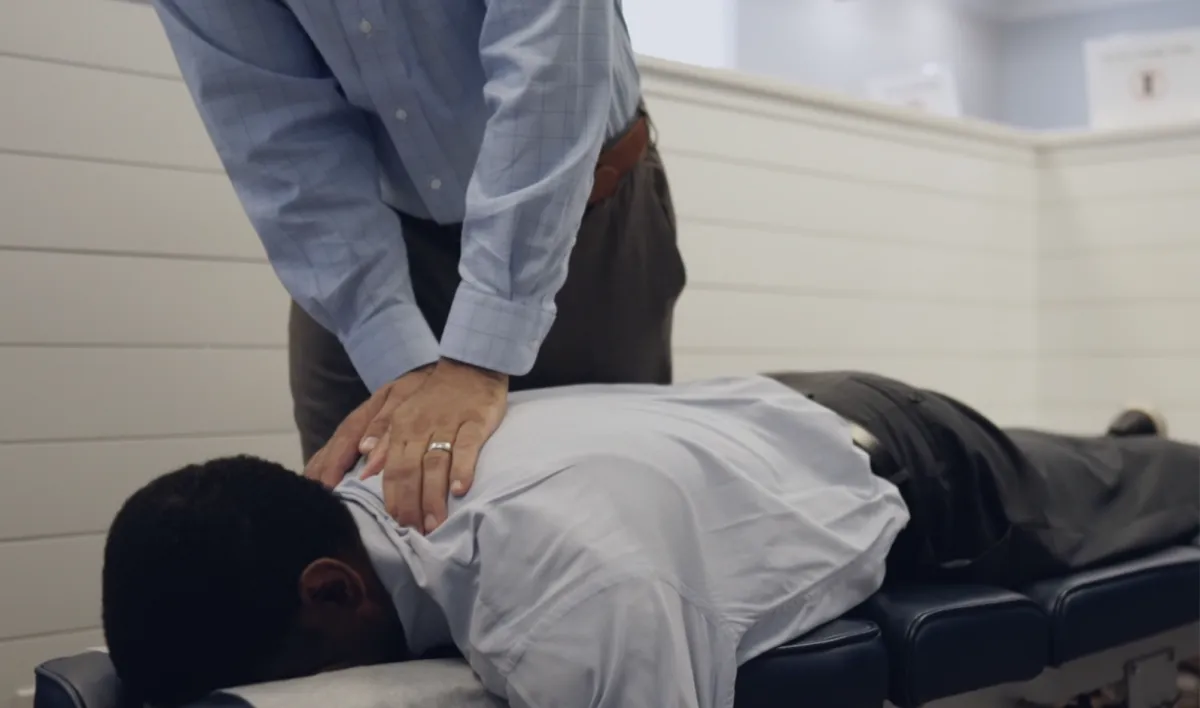
Our approach is gentle and specific. We don't crack and hope. We measure, correct, and re-measure.
Find the cause
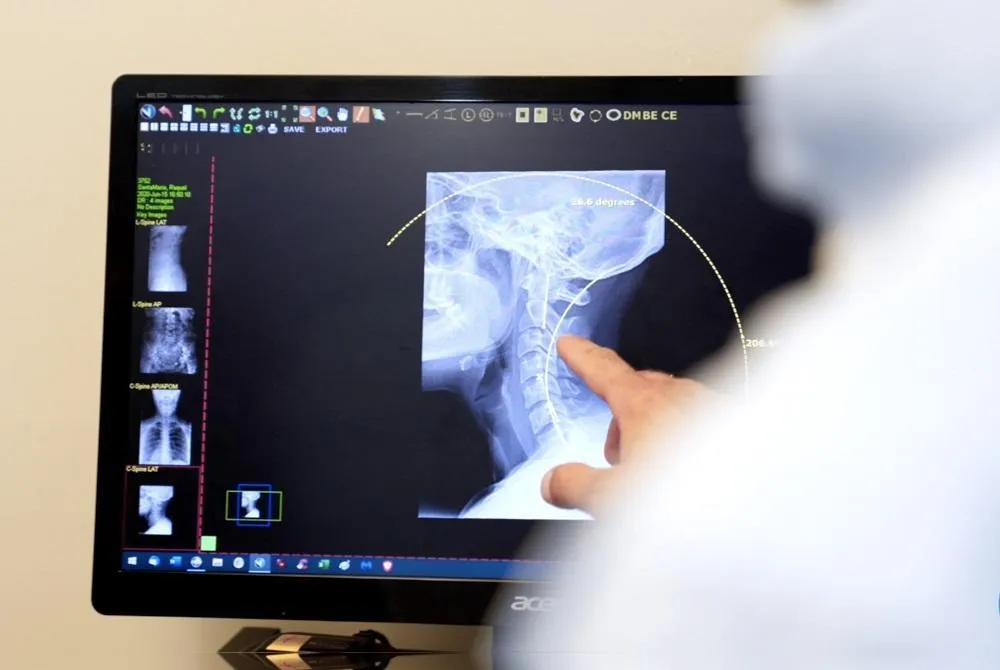
We pinpoint where your herniated or bulging disc is actually coming from — spine, nerve, joint, or a combination — using your exam, nerve scan, and X-rays when needed.
Build your plan
You get a written care plan with a clear goal and an honest timeline. No mystery packages, no guesswork.
Correct, gently
Precise, gentle adjustments restore motion and alignment to the segments around the disc. We adapt every adjustment to your comfort level — disc patients are never forced into positions that hurt.
Re-measure
We re-check with the same objective tools so you can see progress, not just hope for it.
Your First Herniated Disc Visit at United Chiropractic in Marietta
Your new patient visit is a comprehensive exam: a full spinal exam, a Tytron nerve scan, postural X-rays if needed, and a one-on-one consultation with Dr. Landry. Here's exactly what to expect.
We listen first
You'll tell us what you're feeling, when it started, what makes it better or worse, and what you've already tried. Your story is the first clue.
Tytron nerve scan
A quick, painless scan measures temperature differences along your spine to show where nerve stress is showing up — so we're not guessing.
Digital postural X-rays (if needed)
If your exam calls for it, X-rays let us see the actual alignment of your spine and joints. Wear whatever you're comfortable in — there's no need to change. All of our exams and scans are performed in your regular clothes.
A clear answer
Dr. Landry walks you through what he found, what it means, and whether he can help. If your case needs another specialist, he'll tell you that too.
Herniated Disc FAQs — Chiropractic Care in Marietta
Can a chiropractor help a herniated disc?
Yes, many people with a herniated or bulging disc improve with chiropractic care. Care focuses on restoring alignment and motion so there is less pressure on the disc and the nearby nerve. Dr. Landry will tell you honestly at your first visit whether your case is a good fit.
Is chiropractic safe if I have a herniated disc?
For most people, yes, when care is gentle and based on a thorough exam. We use your exam findings, nerve scan, and X-rays (when needed) to choose techniques that suit your disc. If anything in your exam points to a more serious problem, we refer you out.
Can a herniated disc heal on its own?
Many herniated discs do improve over weeks to months as inflammation settles. The question is whether the spinal stress that caused it is still there. Addressing alignment helps lower the chance the same area flares up again.
What makes a herniated disc worse?
Long periods of sitting, bending forward while twisting, heavy lifting, and poor sleeping positions tend to aggravate disc pain. Coughing or sneezing can also cause a sharp spike when a nerve is irritated.
What's the difference between a bulging disc and a herniated disc?
A bulging disc pushes outward evenly, like a tire with low air. A herniated disc has a tear in the outer layer that lets inner material push through. Both can press on nerves, and both are common reasons people visit our Marietta office.
When should I go to the ER instead?
Go to the emergency room right away if you lose bladder or bowel control, have numbness in the groin or inner thighs, or have rapidly worsening leg weakness. Those can be signs of a medical emergency called cauda equina syndrome.
Do I need a referral to see a chiropractor in Marietta?
No referral is needed. You can schedule directly with United Chiropractic Center. We also provide a complimentary benefits check for all new patients.
How much does herniated disc care cost?
Every case is different, so we go over costs in person after your exam. Contact us or plan your visit online. For patients without insurance, we offer a chiropractic savings plan.
REAL PEOPLE. REAL RESULTS. READ MORE REVIEWS
I have been coming for years and I have been healed from having bad back pain from a herniated disc. I learned so much since I've been here and I encourage anyone who's looking for a chiropractor to come here. You won't regret it!
Chiropractic care has helped with my lower back pain, I started about 7 months ago not even being able to walk or stand straight without feeling terrible pain! Thanks to Dr.Steve and his staff I am able to walk & feel so much better!
I have had back pain for 20 years... We started going to Dr. Landry and my pain is gone.
Sources & References
Office Hours
Schedule Your Herniated Disc Evaluation
Find out what's putting pressure on your disc — and what you can do about it. Your new patient visit includes a full spinal exam, Tytron nerve scan, X-rays if needed, and a consultation with Dr. Landry.
Plan Your Visit Today